Sleep Inhibiting Drugs

Are Back Pain Medications Disrupting Your Sleep Keck Medicine Of Usc

Sleep Pharmacotherapy For Common Sleep Disorders In Pregnancy And Lactation Chest

Pdf Herbal Medicine For Insomnia

Sleeping Pills Medications To Help You Sleep American Sleep Association

Sleeping Pill Side Effects Types Of Sleeping Pills Complications

Physiology Of Sleep Block 3 Ppt Download
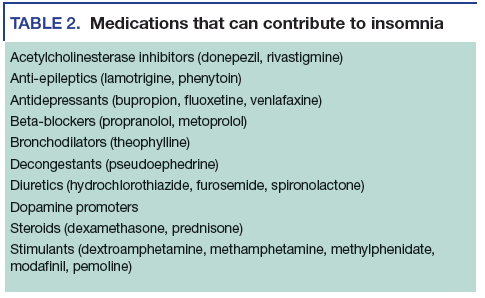
On the other side of the spectrum norepinephrine and dopamine reuptake inhibitors like the popular drug bupropion Wellbutrin increase the levels of those two neurotransmitters in the brain.
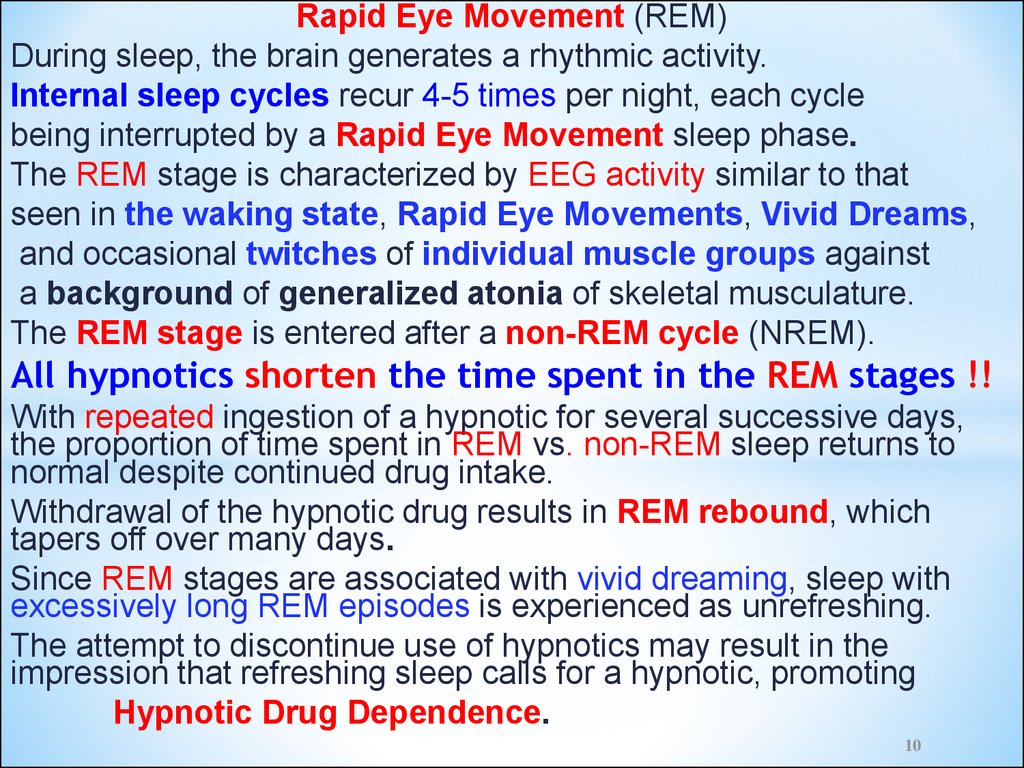
Sleep inhibiting drugs. -71261 P0001 for daytime drowsiness. The package labeling for this agent indicates an 8 occurrence of undefined sleep problems. Many REM sleep-inhibiting drugs for example cause a pronounced hypothermia which can influence sleep state expression.
Beta blockers are an important tool doctors use to help treat hypertension angina and arrhythmias. 12112020 Over-the-counter sleep aids like diphenhydramine and melatonin cause sedation or help to regulate the bodys circadian rhythm. Eszopiclone Lunesta.
Lunesta also helps you fall asleep quickly and studies show people sleep. However a very small published study which evaluated the effects of sotalol 320mg or 960mg on the CNS via sleep EEG and psychophysiological parameters showed no difference between the two treated groups. These results suggest that taking acetylcholinesterase inhibitors in the morning can improve the sleep states of patients with Alzheimers disease.
Nitetime Sleep-Aid Sleep Aid. Irreversible means that the body must regenerate new monoamine oxidase enzymes to resume previous levels of enzymatic activity. Medications that can affect sleep.
Your clinician may be able to suggest alternatives. 1251997 Several REM sleep-inhibiting drugs not only effect neonatal sleep but also feeding behavior and stress responses. 4162013 About 10 to 20 percent of people who take a class of antidepressants known as selective serotonin reuptake inhibitors or SSRIs such as fluoxetine sertraline and paroxetine experience sleep.
Although widely used these are not approved by the Food and Drug Administration for insomnia. Eszopiclone Lunesta zaleplon Sonata and zolpidem Ambien. Those who have too much of this mediation prior to sleep may be unable to enter REM sleep.

Sleep Medications How To Use Them Safely Sleep Foundation
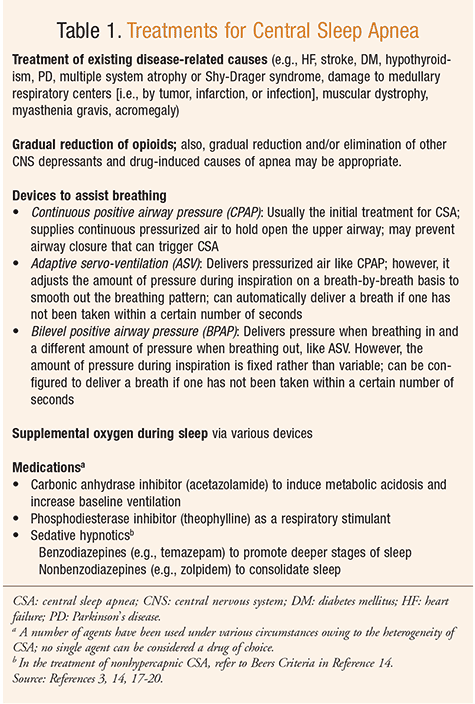
Central Sleep Apnea Potential Impact Of Benzodiazepines Opioids And Cyp3a4 Inhibitors
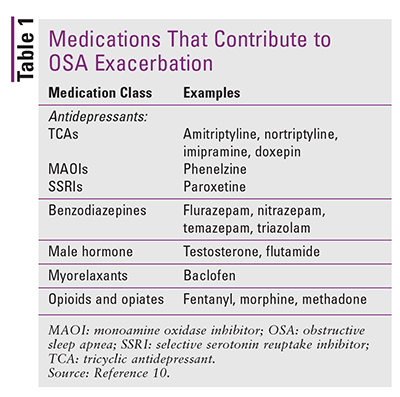
Obstructive Sleep Apnea A Review

Melatonin And Sleeping Pills The Pulse Blog

Why We Sleep Pt Ii Walker On The Dark Side Of Sleeping Pills Plus A Cbt That Works Health Rising

Sleep Science Current And Future Treatment Options For Narcolepsy A Review
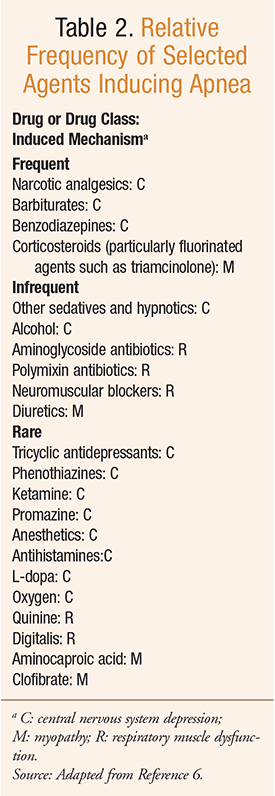
Central Sleep Apnea Potential Impact Of Benzodiazepines Opioids And Cyp3a4 Inhibitors
Hypnotic Antiepileptic And Antiparkinsonian Drugs Online Presentation
Sleep Disorders Dementia Practical Neurology

Sleeping Pills Medications To Help You Sleep American Sleep Association

Sleep Disorders And Atopic Dermatitis A 2 Way Street Journal Of Allergy And Clinical Immunology
Understanding Sleep Disorders In Older Adults

Dreams And Nightmares In Healthy Adults And In Patients With Sleep And Neurological Disorders The Lancet Neurology
